Drywall Water Damage in Rockledge, FL: When to Repair vs. Replace
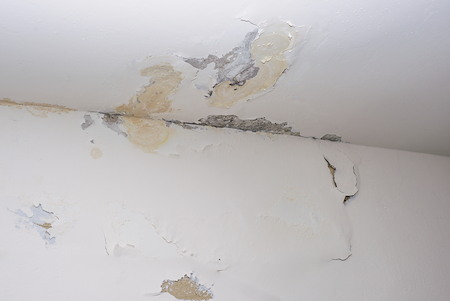
After a leak, storm, or AC issue, the first question many Rockledge homeowners ask is simple: can this drywall be saved or does it need to go? The right answer protects your indoor air, your finishes, and your peace of mind. Here’s a clear, local guide from All Florida Pro Services to help you choose the best path for your home.
If you already see staining, bubbling paint, or sagging, bring in our local drywall installation and replacement team so the damage is assessed before it spreads. For broader home planning and materials that play well with Florida’s humidity, explore our remodeling resources too.
Many people search for drywall water damage Rockledge, FL right after a storm or leak. Keep this guide handy so you feel confident about next steps and timelines.
What Counts as Drywall Water Damage in Rockledge Homes
Drywall is gypsum wrapped in paper. Paper loves water. In Rockledge, moisture usually finds drywall through roof leaks after summer downpours, wind‑driven rain along the Indian River Lagoon, supply line failures, and condensation around cold AC ducts. Even a tiny drip can travel far behind paint.
Water can also wick upward from a wet floor or baseboard. That is why a small puddle in one room can leave yellowed stains a few feet up the wall in another.
Repair vs. Replace: A Clear Framework
Professionals look at five things before making the call:
- Source of water: clean supply line, appliance leak, rain intrusion, or contaminated water
- Time wet: hours vs. days
- Extent: spot staining vs. seams popping, swelling, or sagging
- Moisture readings: what a meter shows inside the wall cavity
- Adjacent materials: wet insulation, trim, or cabinets that can trap moisture
Short, contained events with clean water can often be repaired. Long, soaked, or contaminated events usually require replacement of the affected drywall and any wet insulation behind it.
How Florida Humidity and Storms Change the Equation
Rockledge’s warm, humid summers and afternoon storms speed up problems inside walls. High dew points mean wet drywall takes longer to dry, and wood framing holds that moisture close. Roof leaks from intense cells and tropical systems can saturate large ceiling areas quickly, especially under older shingles or near roof penetrations.
Because we live near the coast, wind‑driven rain can push water around window frames and through hairline cracks. What looks like a small stain can signal a bigger path of moisture behind the paint film.
Signs You Can Repair Instead of Replace
Every home is different, but these are common green‑light signs a pro may recommend repair:
- Clean water contact that was brief and contained
- No swelling at seams, screws, or corners
- Paint bubbles limited to a small area with solid, dry backing
- Normal moisture readings inside the wall cavity after controlled drying
Repair can include cutting out a small section, replacing it with new board, re‑taping, and texture matching so the patch is invisible. In rooms that face daily steam, pair this with material upgrades discussed in our local article on bathroom remodel vs. refresh so the surface stands up longer in a humid space.
When Replacement Is the Safer Choice
Replacement is the better path when the board has swelled, seams have opened, or the ceiling sags. Never push on a sagging ceiling “just to check”. It can fail without warning and create a much larger mess.
Any drywall that sat wet for days, was submerged, or touched dirty or unknown water should come out so the cavity can be cleaned and dried. If insulation is wet, it must be removed to prevent long‑term odor and microbial growth. After replacement, a precise texture and paint match will return the room to a uniform finish.
Mold Risk, Drying Time, and Health Considerations
In our climate, surface mold can begin to colonize quickly when materials stay damp. If drywall stayed wet more than 24 to 48 hours, treat replacement as the default. Fast action keeps spores from spreading to other rooms or into the HVAC system.
Think about water categories too. Clean supply‑line leaks are very different from storm water or drain backups. Drywall touched by contaminated water should be removed and disposed of, not sealed and painted. Your family’s health is the priority, and properly rebuilding the wall is the long‑term savings move.
Finally, remember that moisture meters see what paint hides. A wall can feel dry to the touch but still read high inside the cavity. That is why trained technicians take readings in several spots before recommending repair or replacement.
Local tip: Rockledge summers often keep indoor humidity above 60 percent. If clean water was quickly controlled and the board did not swell, a small section repair may be possible. When the wall stayed wet through a weekend or you see musty odor, plan on replacement to avoid chasing recurring stains.
Insurance Documentation Basics for Space Coast Homeowners
Insurance policies vary, but good documentation helps nearly every claim. Take clear photos and short videos before any materials are removed, including close‑ups of stains, damage at baseboards, and ceiling lines. Note the date, cause you observed, and who discovered the issue.
Keep a simple log with times of phone calls, emails, and the names of adjusters or vendors. Save all receipts for emergency mitigation, temporary protection, and final repairs. If your adjuster requests an estimate for wall removal and rebuild, our team can provide a detailed scope and photos that show the condition inside the cavity.
What Our Professional Process Looks Like
With All Florida Pro Services, your wall or ceiling gets a step‑by‑step approach designed for Florida homes.
Assessment: We trace the water path, check for trapped moisture, and confirm what else got wet. When a replacement is needed, we open only what is required and protect the room from dust.
Drying and remediation: We coordinate with restoration partners when needed so the cavity hits target moisture levels before new board goes up. That prevents paint failure and joint cracks later.
Rebuild and finish: New drywall is installed, fastened, taped, and finished through the correct levels for your space. Texture and paint are matched to blend with surrounding areas. If the event affected a kitchen or bath, we can synchronize the wall work with a planned update through our remodeling team so you finish once and enjoy it longer.
Quality check: We review seams, light reflections, and touch points so the finish meets our standards. If additional rooms need attention, we’ll map a simple plan with you.
Curious about next steps for your specific room? Learn more about our local approach on the drywall repair and installation page and see how we handle small patches through full replacements.
Common Scenarios We See Around Rockledge
Ceiling stains after an afternoon storm: Water entered near a roof penetration and tracked along a truss. The ceiling board softened and stained. A drywall replacement section with insulation swap and stain‑blocking primer restored the finish.
Supply line leak in a laundry closet: The lower wall got wet around the shutoff. Because the water was clean and the response was fast, a small repair with tape and texture match was enough. A moisture check verified the cavity had dried to target.
Wind‑driven rain at a window on the river side: Water bypassed aging caulk and soaked the return. The board swelled at the corner bead. Replacement of the affected area plus sealing the exterior gap prevented repeat damage.
Why Your Choice Matters
Picking repair when replacement is needed can trap moisture, cause paint to peel, and bring stains back. Choosing replacement when a repair would suffice can extend schedules in busy seasons. The right call saves time and preserves finishes around trim, cabinets, and floors.
If you are planning a broader update after the incident, coordinate wall work with surface upgrades for a cleaner result. Our article on timelines for kitchens pairs well with planning larger projects: it explains sequencing around framing, trades, and finishes you might combine after a water issue.
Plan Ahead So Repairs Stick
Address the source. Fix roof penetrations, window seals, or plumbing parts so new drywall stays dry. Consider material choices that handle humidity better in baths and laundry rooms, and talk to your HVAC pro about ventilation and supply temperature to reduce condensation around ducts and vents.
If you manage a rental or are budgeting for future improvements, keep a short list of trusted vendors and a simple “first call” plan. One folder with policy numbers, photos, and past estimates can shave days off your response time after heavy weather.
Ready To Protect Your Walls and Indoor Air?
When drywall gets wet, time matters. Let All Florida Pro Services assess your home and guide you toward a repair or a safe, clean replacement. Call us at 321-349-0011 or start here with our local pros on drywall installation and replacement. We are here to help Rockledge homeowners rebuild with confidence and a smooth finish that lasts.
Schedule a Consultation with Our Melbourne Remodeling Company Today